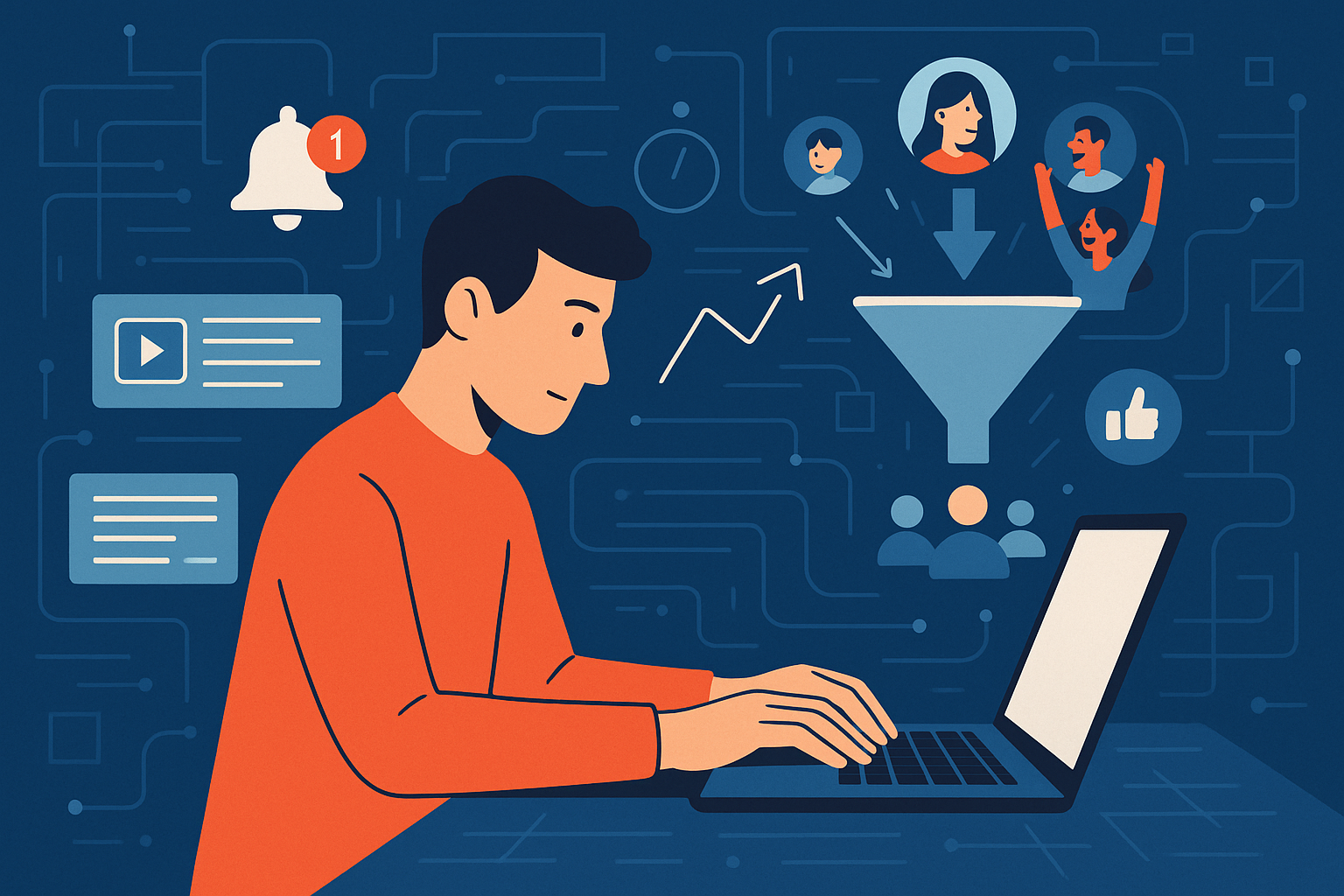
As digital marketing evolves, social media managers are tasked with not only building engaged communities but also delivering measurable results—lead generation being a top priority. At postxtra.com, we’ve been tracking how trends in AI, user behavior, and platform features are reshaping the way businesses attract prospects online. In this case study, we analyze key lead generation trends from real-world campaigns and provide actionable tips you can implement today. Whether you’re managing a startup or an enterprise brand, these insights will keep you ahead of the curve.
1. AI-Powered Content is Leading the Conversion Game
In 2023, brands using AI content for digital marketing saw up to 27% higher conversion rates on social campaigns, according to internal postXtra data. One case involved a mid-size e-commerce brand that used AI tools to generate copy variations for lead magnets on Facebook. The result? A 35% increase in lead form completions without increasing ad spend.
Actionable Tip: Use AI content generation platforms to test multiple headlines and CTAs for your social ads. Platforms like Jasper or Writesonic can streamline A/B testing while remaining on-brand.
2. Interactive Lead Magnets Capture Scanners, Not Just Browsers
Users scroll quickly—especially on mobile. To counter this, top-performing brands are turning to interactive lead magnets like quizzes, calculators, and chat-based surveys. For example, a B2B SaaS company implemented a “Find Your Tech Stack” quiz on LinkedIn and boosted their lead-gen form completion rate by 42%.
Actionable Tip: Convert static eBooks or whitepapers into quiz-style lead funnels on platforms like Outgrow or Typeform. Promote them through Stories or Reels for higher engagement.
3. Platform-Native Lead Generation Forms Are Outperforming External Funnels
Long gone are the days where you had to drive traffic to your website to collect leads. Social media platforms like LinkedIn, Facebook, and Instagram now offer built-in lead gen forms that auto-fill user data. A postXtra client in professional services decreased their cost-per-lead by 58% after switching entirely to native forms on LinkedIn.
Actionable Tip: Set up lead ads directly within the platform rather than linking out. Keep forms short—ask for only the essentials—and follow up within an hour to maximize conversion potential.
4. Video Content is Dominating the Awareness-to-Conversion Journey
Short-form video reigns supreme. Leveraging video for lead generation is no longer optional; it’s essential. A hospitality brand we studied created a 3-part video ad sequence on Instagram Reels that resulted in a 3x return on ad spend. Viewers who watched all three ads were retargeted with a sign-up promo—resulting in a 49% click-to-lead rate.
Actionable Tip: Develop a video funnel—use Reel #1 to educate, Reel #2 to showcase benefits, and Reel #3 to present the offer. Use platform insights to micro-optimize at each level.
5. Data-Driven Retargeting Is Getting Smarter with AI
AI-powered ad tools are now better at recognizing warm audiences than ever before. One fashion retailer using AI content targeting on Meta platforms refined its lookalike audience based on engagement with saved posts. The algorithm identified users more likely to submit their emails during promo drops, not just website visits.
Actionable Tip: Use AI-enhanced analytics and CRM integrations to create smart retargeting segments. Focus on social behaviors—saved posts, shares, or even time spent on Stories—to build more accurate custom audience lists.
Conclusion
Lead generation is no longer just about landing pages and email capture forms—it’s about meeting users where they scroll, swipe, and share. By leveraging ai content for digital marketing, adopting interactive formats, and embracing platform-native tools, social media managers can turn passive scrollers into qualified leads. At postxtra.com, we believe that the next wave of digital lead generation belongs to those who innovate fearlessly. Stay sharp, test often, and lead with data.
If this post helped you identify your next move, don’t keep it to yourself—share this post with your network and lead the change in your industry.