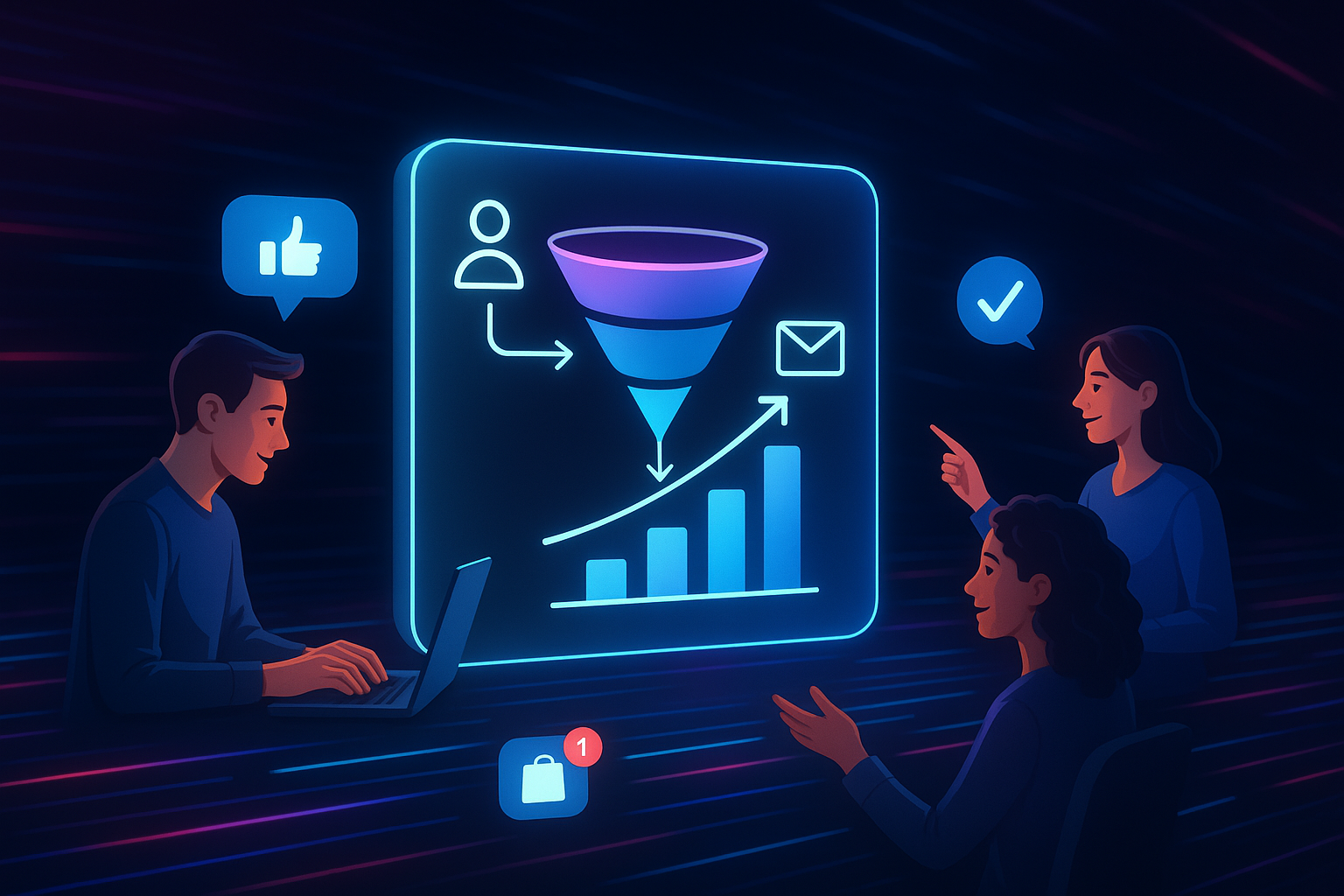
Every digital leader has been there: You’ve invested in a sleek, modern tech stack. The vendor pitches included phrases like “real-time,” “cloud-native,” and “intelligent automation.” You launched. And for a few weeks, it felt like your business was flying. Then the hiccups started—the reports that lagged, the customer who never got the callback, the integration that “needs re-syncing.” Sound familiar? You’re not alone—and here’s the kicker: It’s probably because your system isn’t event-driven at all. It’s playing catch-up in a world that demands responsiveness.
The “Real-Time” Myth We Keep Buying
Corporate decision makers love a good buzzword (and we get it, we do too). But the phrase “real-time” has been stretched thinner than the coffee budget during month-end close. Vendors slap it onto dashboards and dev tools, pitching systems that respond “as things happen.” But peek under the hood, and what you’ll often find is time-sliced batch jobs wrapped in fancy async wrappers.
True real-time means reacting to events as they occur—not when the scheduler says it’s time to care.
Let’s Talk About Events, Baby
Imagine you’re running a contact centre. A lead fills in a form. Great! Five minutes later—after 17 microservices check in and wait for their moment—the agent gets notified. We’ve already lost the sale to a faster competitor. This is the difference between polling and true event-driven systems.
At scopserv.co.za, we’ve been vocal advocates for Event-Driven Systems because we’ve seen how they transform sluggish digital behaviours into responsive, nimble customer journeys. It’s not magic—it’s smart architecture. Events act as triggers in your ecosystem: a phone call, a click, a form submission. When everything listens, and everything acts when it should, your system starts behaving like a living, breathing organism—not a gridlocked bureaucracy.
The Bottleneck Nobody Wants to Admit
Here’s a common misconception we challenge daily: “If it’s in the cloud, it must be fast.” Nope. Cloud-hosted monoliths can be just as slow as on-prem legacy blobs. It’s not about location—it’s about communication. Without an event-driven mindset, cloud just means “your data is now far away and still late.”
We recently worked with a corporate client whose CRM claimed sub-one-second response times. But customer complaints didn’t trigger service tickets until the end of the day batch process. They thought they had latency issues. They had architectural ones. Spoiler alert: A switch to event-based flows slashed complaint response times by 83%—and they stopped losing clients to competitors armed with leaner tech.
The Real Superpower: Agility
If your systems are event-driven, your business can adapt. You can plug in new customer touchpoints overnight. Launch a promo? Your analytics update in real-time. A server’s smoke signals? Trigger alerts without waiting for the Monday report. That’s agility, and it’s not a nice-to-have—it’s survival fuel in a digital-first world.
The irony? Most enterprise stacks aren’t chemically incompatible with Event-Driven Systems. They just weren’t designed with events in mind. That’s where we come in. ScopServ builds scalable, smart, event-o-centric platforms that get your business talking—to itself, to your teams, to your customers.
Challenge the Way Your Tech Talks
So, decision makers: If your stack isn’t reacting instantly to key customer or operational events, then it isn’t real-time—it’s real-late. And late loses deals. Reimagine your communication architecture from the ground up. Ask whether components are reacting to live triggers or just scheduled routines. And ask why you’re settling for sluggish, when smarter, faster systems exist.
Real-time isn’t a feature. It’s a philosophy. And it starts with events that mean something to your business.
Want proof? See customer success stories where we’ve dismantled digital myths and rebuilt futures on event-driven foundations.